
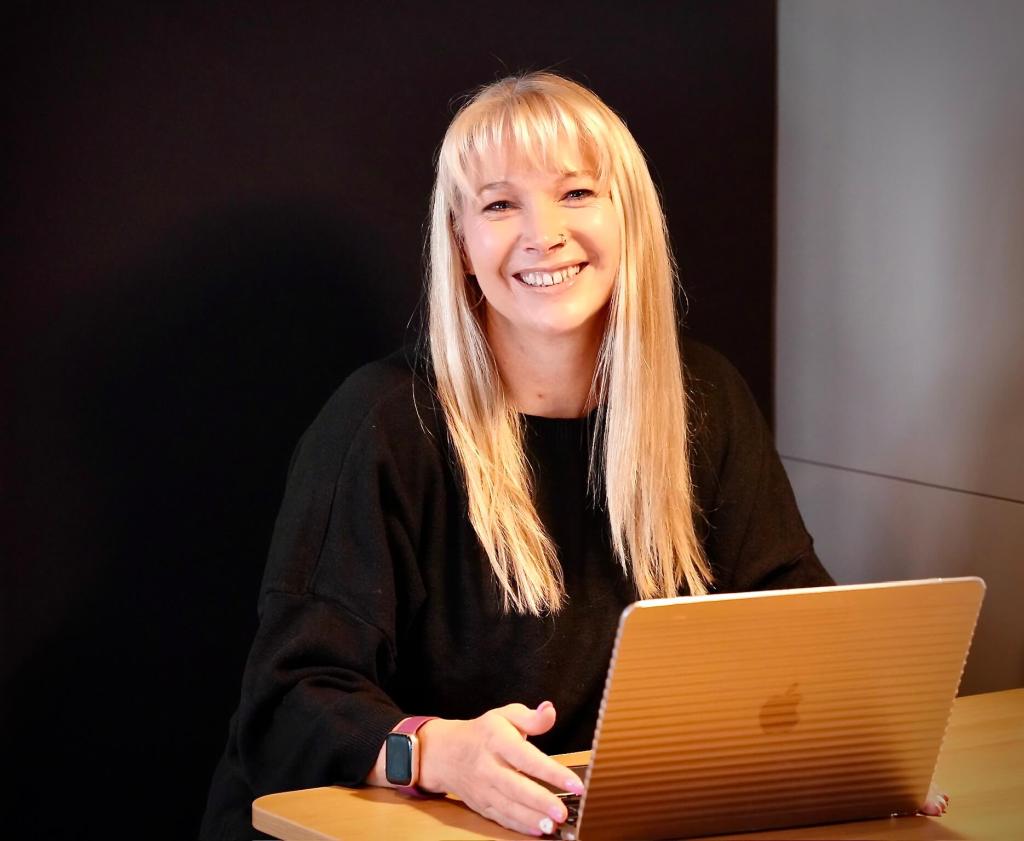
I’m delighted to welcome Guest Blogger – Becky Stone – Teen and Adult Eating Disorder Therapist
“If you’re a therapist who’s been told to stay invisible, I get it. For years, I believed that marketing myself was unprofessional. But staying small almost cost me everything.”
The Early Days: When Being “Invisible” Was the Rule
When I first qualified as a therapist back in 2010, the message drilled into me during training was clear:
- Don’t market yourself.
- Don’t ask for reviews.
- Don’t talk too much about what you do.
Clients, I was told, would “just find you.” Put yourself on a directory, wait patiently, and hope the phone rings.
But here’s the problem: clients didn’t magically appear.
I was lucky to land a full-time role in a commissioned service early on, but when funding dried up, I had to face a terrifying reality, I’d need to put myself out there. And that was something my training never prepared me for.
I felt completely insecure. What do I share? What’s “too much”? How do you balance professionalism with personality? It honestly did my head in.
And I know I’m not the only therapist who’s had this exact same training, being told to blend into the background, to never risk visibility.
The First Steps Felt Awkward, Clumsy… and Expensive
So I started small.
I made leaflets.
I ordered business cards.
I spent hundreds of pounds on adverts that went nowhere.
I plastered my local area with marketing that had zero return. I was lost. Anxious. Scared.
And then came social media.
Back then, Facebook was the platform. I cautiously dipped my toes in, posting in local business groups, sharing little snippets of what I did.
But one day, a stranger made a horrible comment about my spelling. And it crushed me.
I’m dyslexic and ADHD, so putting myself out there was already scary. That single comment made me retreat for months. It knocked my confidence massively. I felt exposed. I felt small. I’ll never forget how it felt.
When Criticism Becomes Fuel
But here’s the unexpected gift in that moment of embarrassment: it gave me power.
It forced me to build new tools. To look for better ways to share my message. To realise that if one comment could stop me, I needed to work on why I was giving it so much weight.
And slowly, I started showing up again.
This time, with a different mindset.
I stopped trying to be polished. I stopped trying to “market like everyone else.”
Instead, I leaned into my strength, storytelling.
The Hardest Thing I Ever Did: Showing Up on Camera
Let me tell you, getting on camera was one of the hardest things I’ve done.
I hated the way my voice sounded. I overthought my every word. I cringed watching it back.
But I did it anyway.
And yes, I’ve made plenty of mistakes. I’ve accidentally posted four times in one day. I’ve uploaded videos with lipstick all over my teeth. I’ve spelt things wrong.
But here’s what I learned: it’s better to be real than to be invisible.
Because the days I think, “That post was rubbish,” are always the days I get a quiet message in my inbox saying, “Thank you. I really needed that today.”
Why You Have to Show Up Anyway
If you’re a therapist (or any small business owner) worrying about how to show up, here’s the truth:
- There will never be a perfect time.
- You will always overthink your first few posts.
- Not everyone will like you, and that’s okay.
But people connect with people. They don’t want a faceless directory listing. They want to see your humanity. Your passion. Your why.
Showing up at one percent every day, even on the days you feel overwhelmed or “can’t be bothered,” is what builds connection.
Marketing as a therapist isn’t about over-sharing. It’s about sharing enough that people know you’re there, that you care, and that you can help.
It’s Not Just a Therapeutic Head, It’s a Business Head Too
This is something my younger therapist self didn’t understand.
Running a successful practice isn’t just about being good at the work. It’s about:
- Knowing how to talk about what you do.
- Creating content that people can relate to.
- Trusting yourself to be seen.
You can’t stay hidden and hope your practice thrives. Visibility matters.
And yes, the impostor syndrome will come.
The self-doubt will whisper, “Who do you think you are?”
But staying small doesn’t help anyone, not you, and certainly not the people who need your help.
What Helped Me Move Through the Fear
Any time I felt like quitting, I reminded myself of this:
- What’s the worst that can happen? A post gets ignored? It gets lost in the feed? Fine. It’s not life or death.
- What’s the best that can happen? Someone sees it at exactly the right time, and it helps them feel less alone.
I also leaned on tools and books that reminded me I wasn’t alone. One of the most powerful reads was The Courage to Be Disliked. It reframed so much of my fear about visibility.
And I started asking myself better questions:
- Am I setting myself up to fail because it’s familiar?
- What if I chose success instead?
And over time, I began to see my ADHD and dyslexia not as flaws, but as superpowers.
Fast Forward to Now
Today, I run a successful business. I still get pushed out of my comfort zone every day. I still make typos. I still cringe at some of my old videos.
But I’m visible.
I’m helping more people than I ever could by staying small.
And that’s the real cost of putting yourself out there; it’s scary, yes. But the cost of staying invisible is far, far higher.
So if you’re standing at the edge of visibility wondering if you should try, trust me. Just start.
If you’d like to see how I’ve built a business by showing up imperfectly, you can take a look at some of my work at https://www.counsellorwhocares.co.uk.
And if this has resonated with you, know that the world needs your voice, too.
Want more like this?
If you found this blog helpful, I share honest, trauma-informed insights every single week—on recovery, self-worth, and what it means to feel good in your skin. Sign up here to get weekly support straight to your inbox.
No spam. Just words that lift you up.
About Me

I’m Becky Stone, a qualified eating disorder therapist based in the UK. I help teens and adults recover from eating disorders, body image struggles, and the hidden shame that keeps them stuck. With lived experience of ADHD and dyslexia, I know how hard it can be to put yourself out there, but I also know the freedom that comes from being seen.
 Mel Lay - Ethical Marketing for Counsellors and Therapists
Leave a comment